Geographical origin
The protected name identifies wine attributable to its geographical origin and produced within the defined framework.
 Mount Athos Wines
 Wines ofMount Athos
Search the archive
Protected geographical indication
An EU geographical indication linking a protected name to a defined area, production rules and official controls.
Begin the story ↓Protected Geographical Indication (PGI)
Protected Geographical Indication is an EU geographical-indication category. For PGI wine, the registered name, defined production area, authorised grape varieties, wine categories, yields and other requirements are set out in an approved product specification and are subject to official controls.
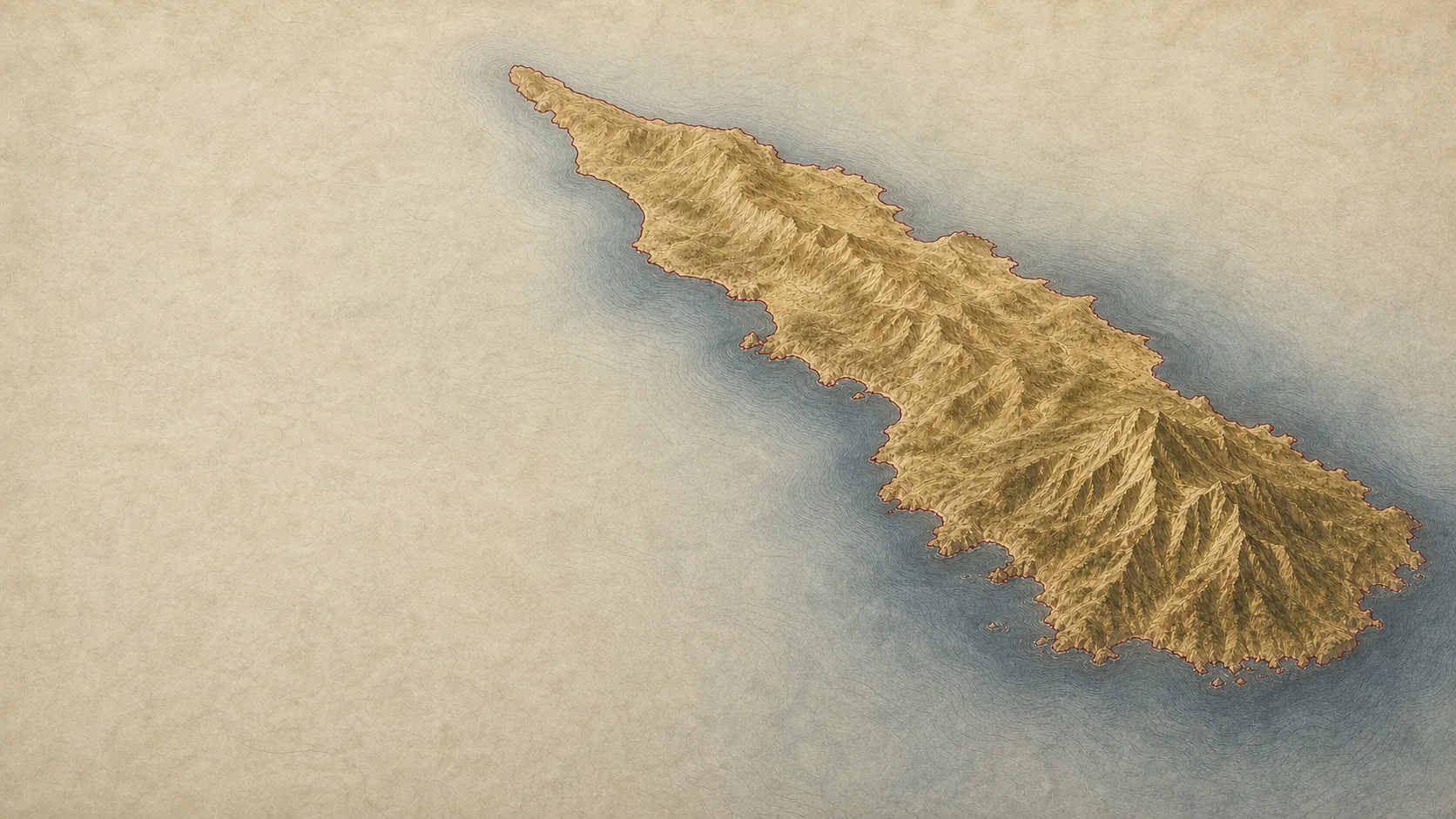
The defined area for PGI Mount Athos comprises the administrative territory of Mount Athos and the neighbouring district of Ouranoupoli, at vineyard elevations from 10 to 400 metres.
A cultural landscape within a legal framework
A PGI connects a protected name with a defined area, reputation, production rules and verification. Here, that legal framework meets a living monastic landscape and the community of Ouranoupoli.
The protected name identifies wine attributable to its geographical origin and produced within the defined framework.
The product specification documents the long association of viticulture and winemaking with the monastic territory.
The specification describes the area’s relief, vineyard soils, climatic transition and prevailing winds.
Compliance is verified against the applicable product specification and current control system.
Traditional viticulture in a protected setting
Within the protected area, long-established knowledge meets the requirements of contemporary wine production:
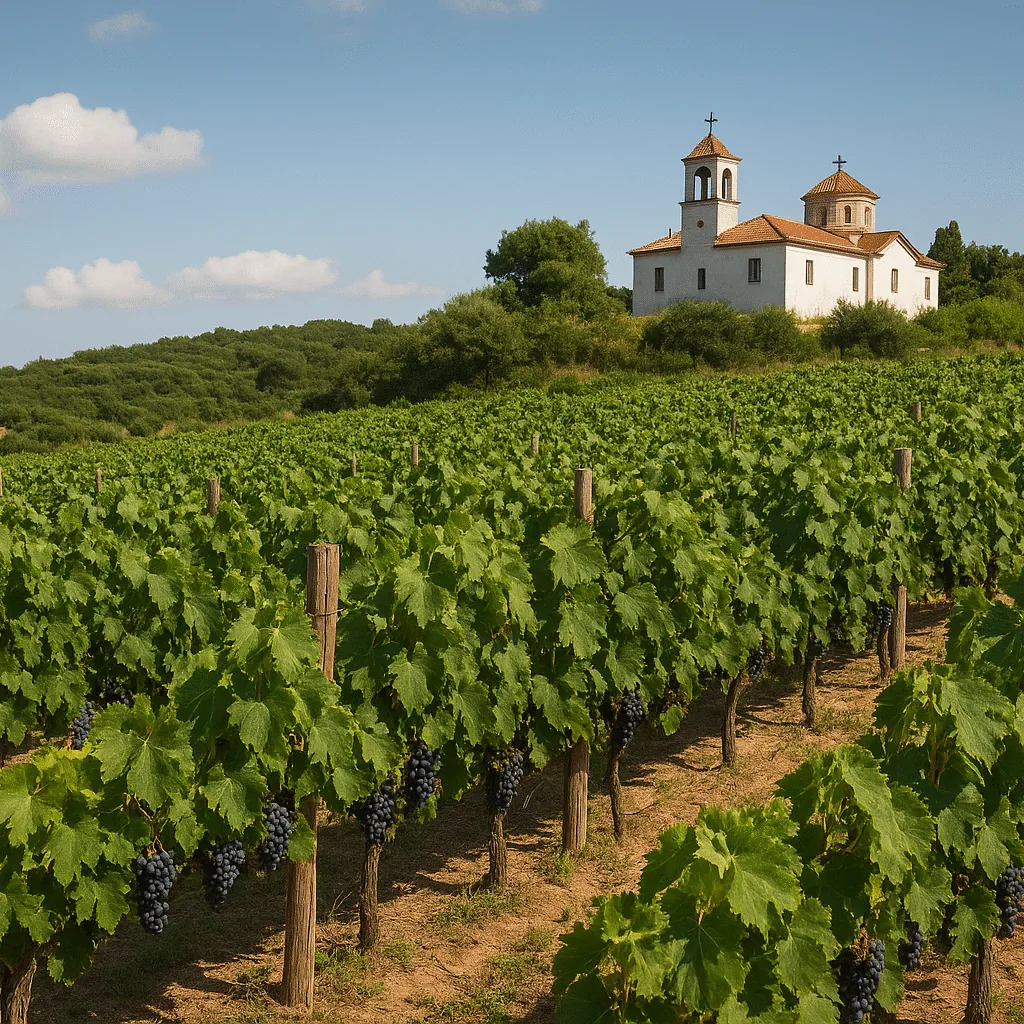
The PGI covers the autonomous monastic territory and the area of Ouranoupoli.
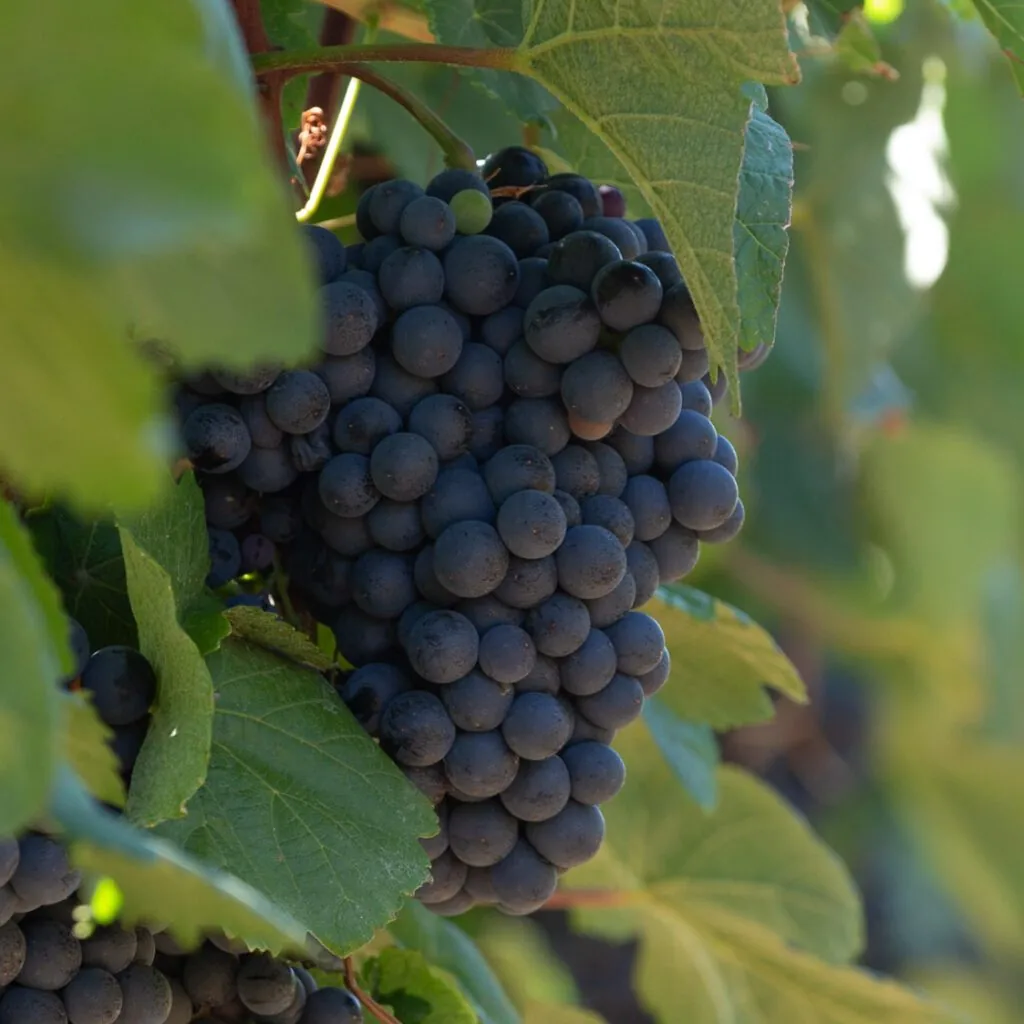
The balance of manual and mechanised work varies by vineyard and should be documented for each producer.
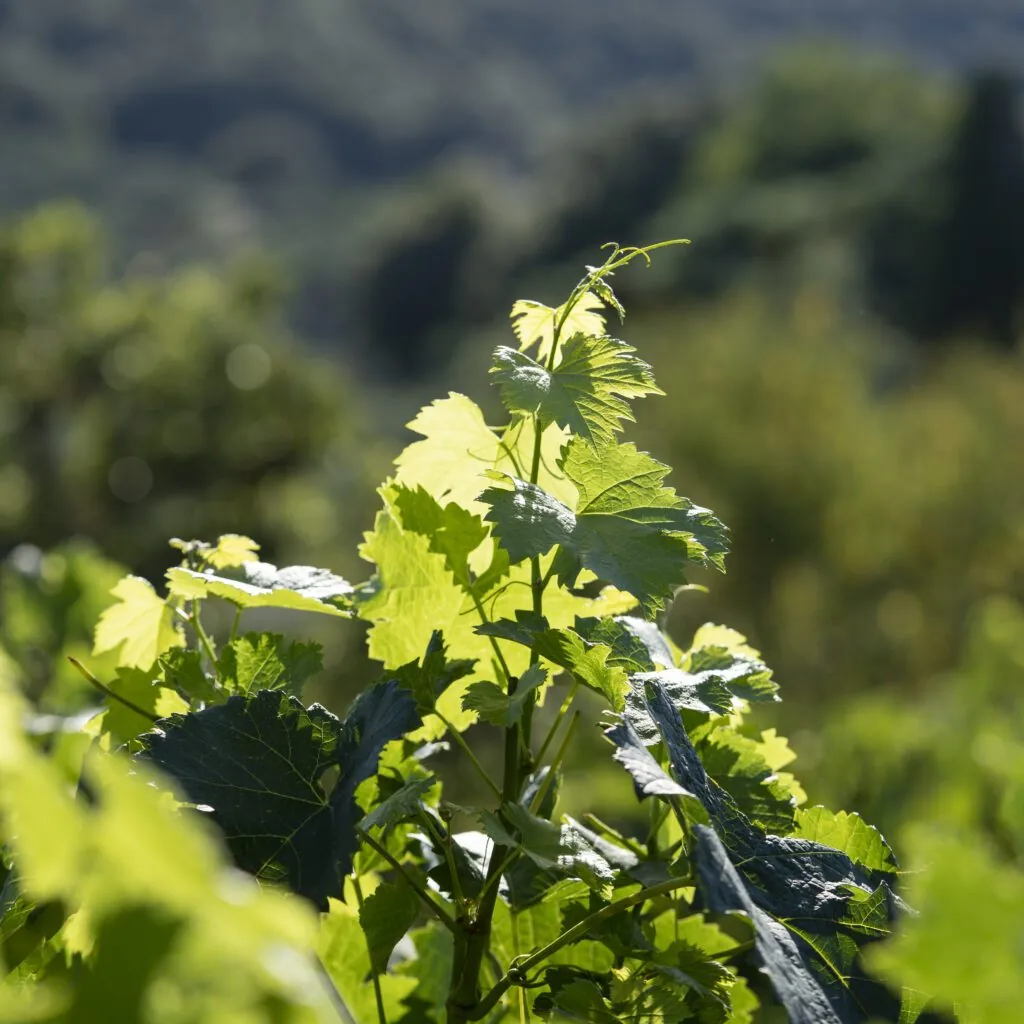
Wine production follows the official PGI specification and applicable controls.
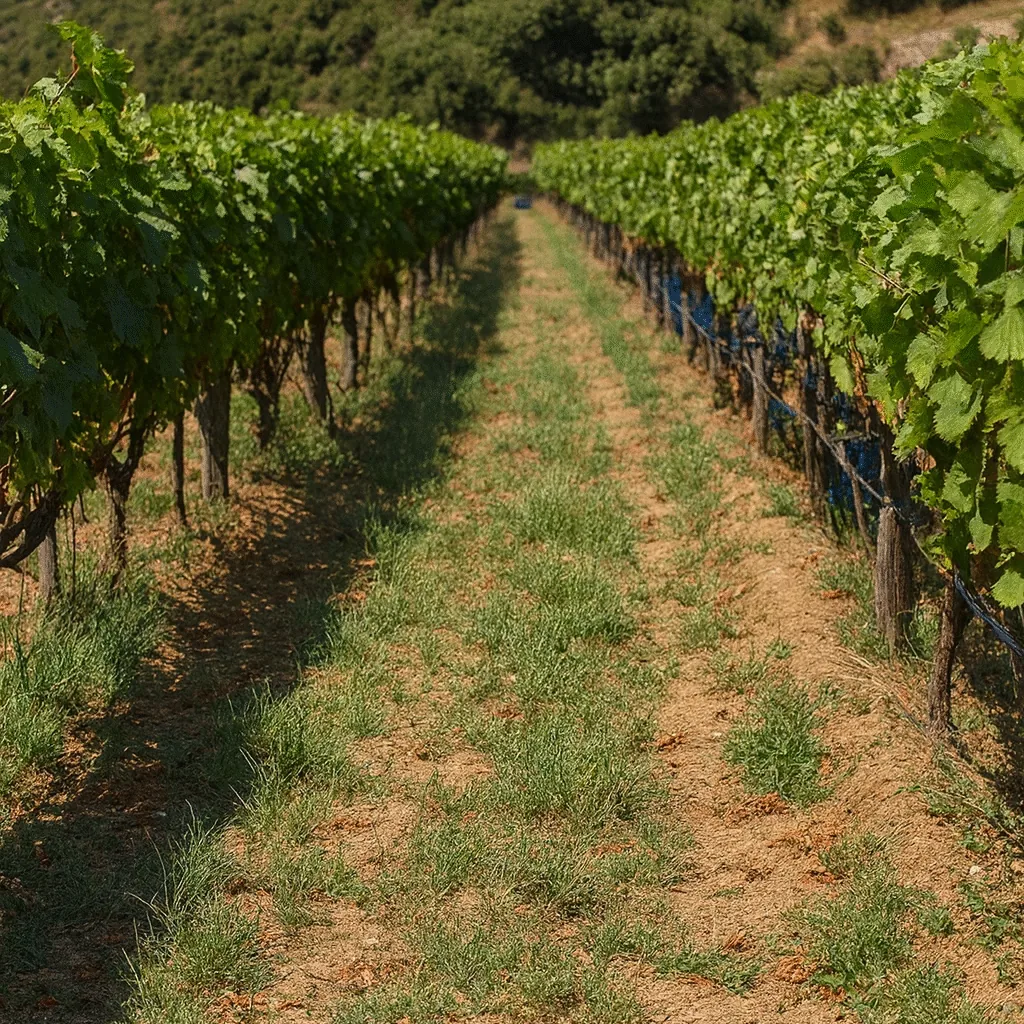
The current specification lists seven white-wine and nine red-wine grape varieties and defines the varieties permitted for rosé wines.
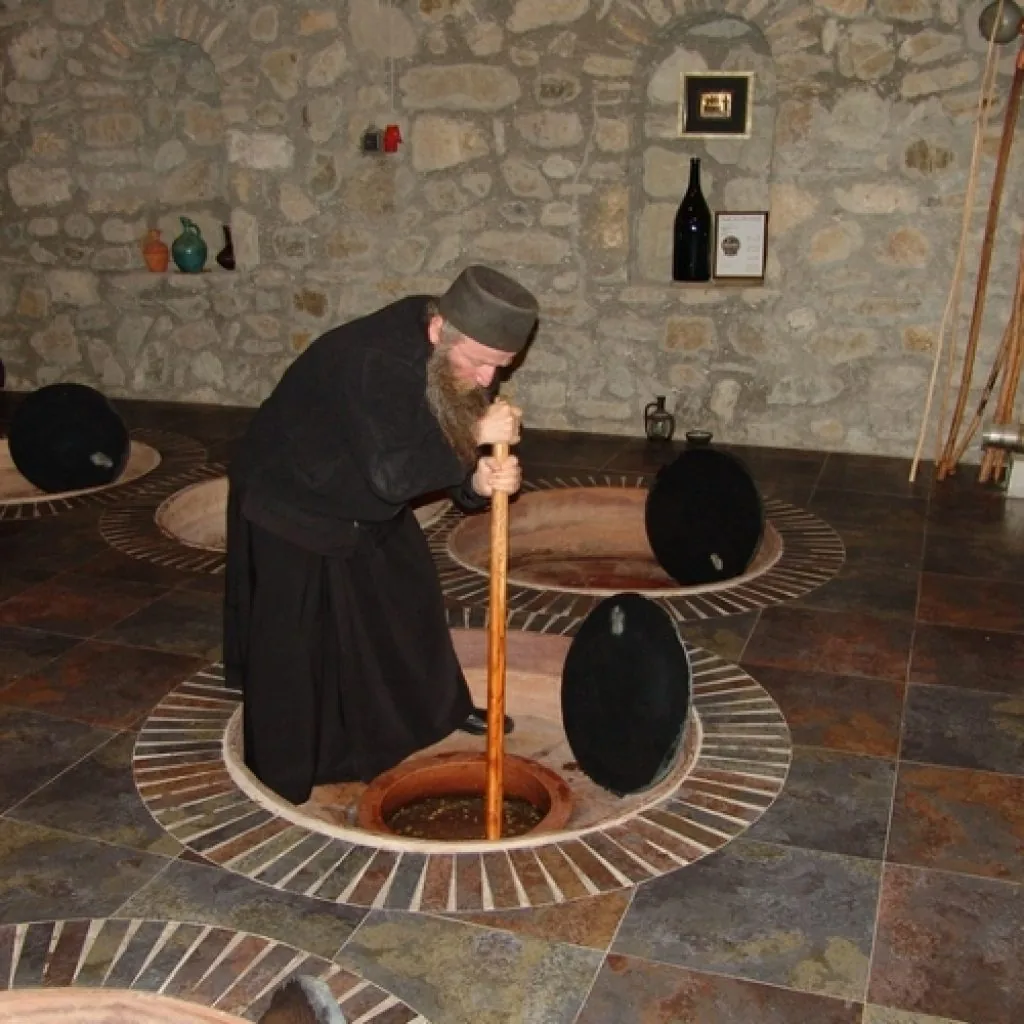
The registered specification covers still white, red and rosé wines, red liqueur wine, and white or red wines from sun-dried grapes.
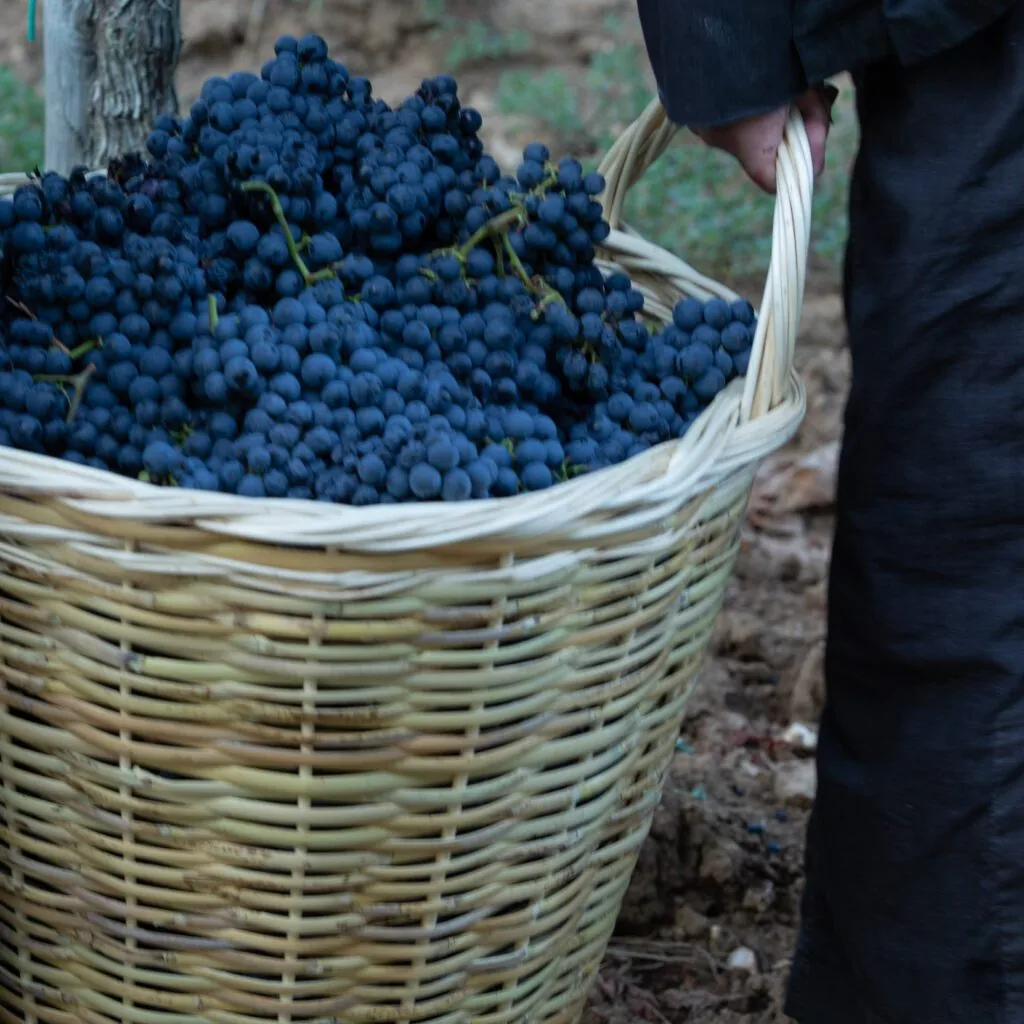
The specification sets maximum grape and wine yields and analytical requirements for each wine category.
Geographical indication and cultural context
PGI protection applies to the registered geographical name and its product specification. It can support the visibility of regional knowledge and reputation, but it does not by itself guarantee the survival of every traditional practice.
defining the area, varieties, wine categories and production requirements.
between the product, its geographical environment and its historical reputation.
used by eligible producers operating under the applicable verification system.
A living example of regional identity. Wine has long held liturgical, communal and hospitable roles in monastic life, while today PGI wines also participate in a regulated market. The protected indication connects cultural value with verifiable geographical and production criteria.
Key facts about PGI Mount Athos
PGI Mount Athos Explained
The zone, the permitted varieties and the information carried by a PGI wine label.
Interpretive label—not a commercial bottle
This checklist is indicative. Producers must follow the applicable product specification and the legislation in force for each wine and market.


