A Unique Cultural Landscape Within a Legal Framework
The Protected Geographical Indication (PGI) system, established by the European Union, safeguards agricultural products whose quality, reputation, or characteristics are closely tied to their place of origin. For wine, PGI status ensures that the product reflects not only its geography, but also the traditions, environment, and practices that shape it.
Mount Athos, a self-governed monastic peninsula in northern Greece, represents a unique case within this framework. Here, viticulture is not oriented toward mass markets or branding, but toward sustaining a spiritual and communal way of life. PGI recognition protects this identity, affirming that wines from the region embody both their terroir and their centuries-old heritage
Traditional Viticulture in a Protected Setting
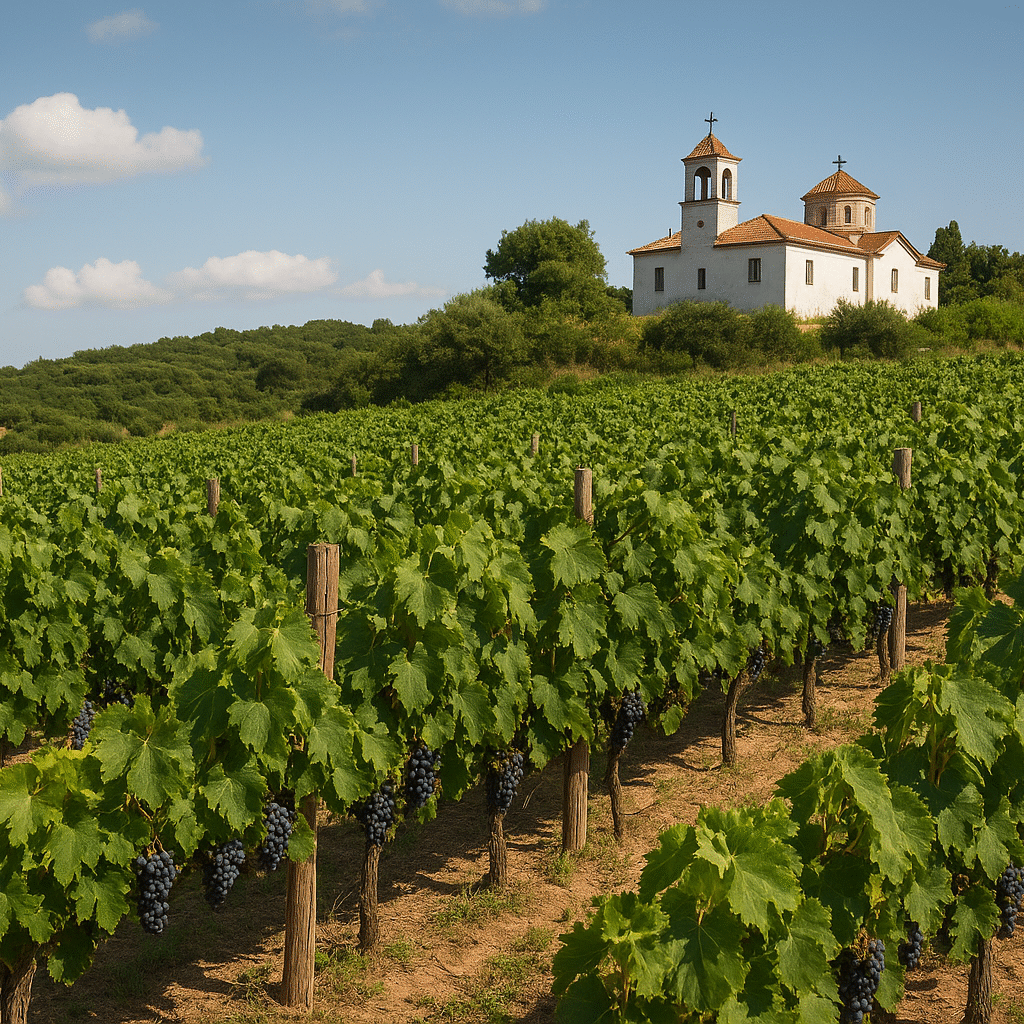
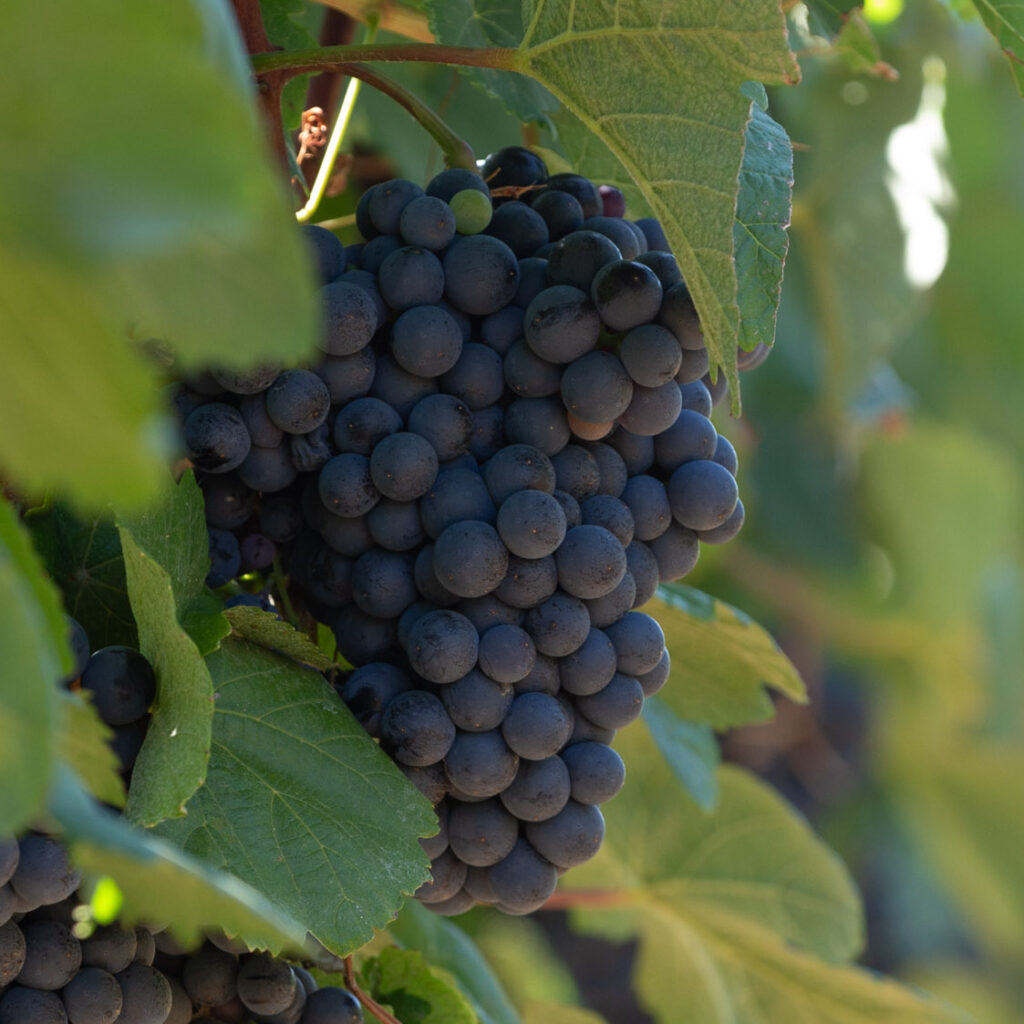
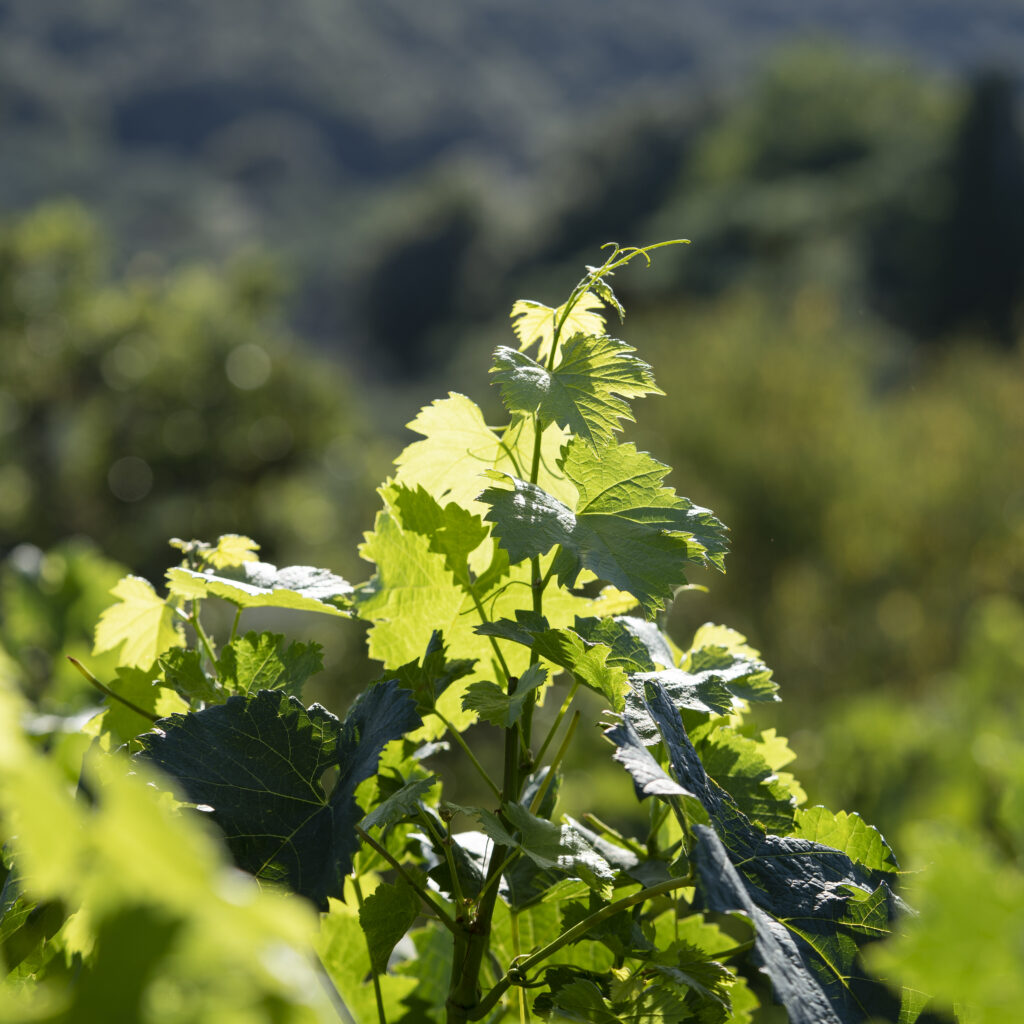
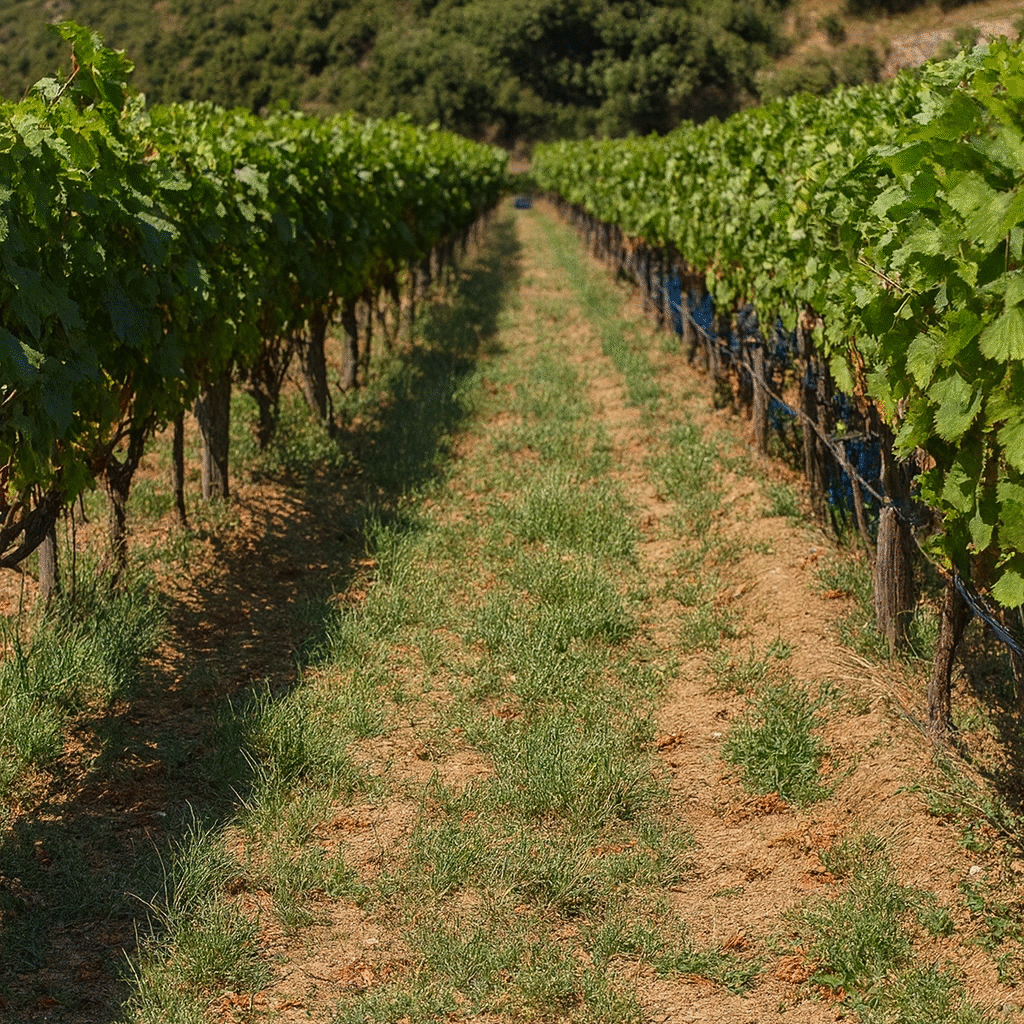
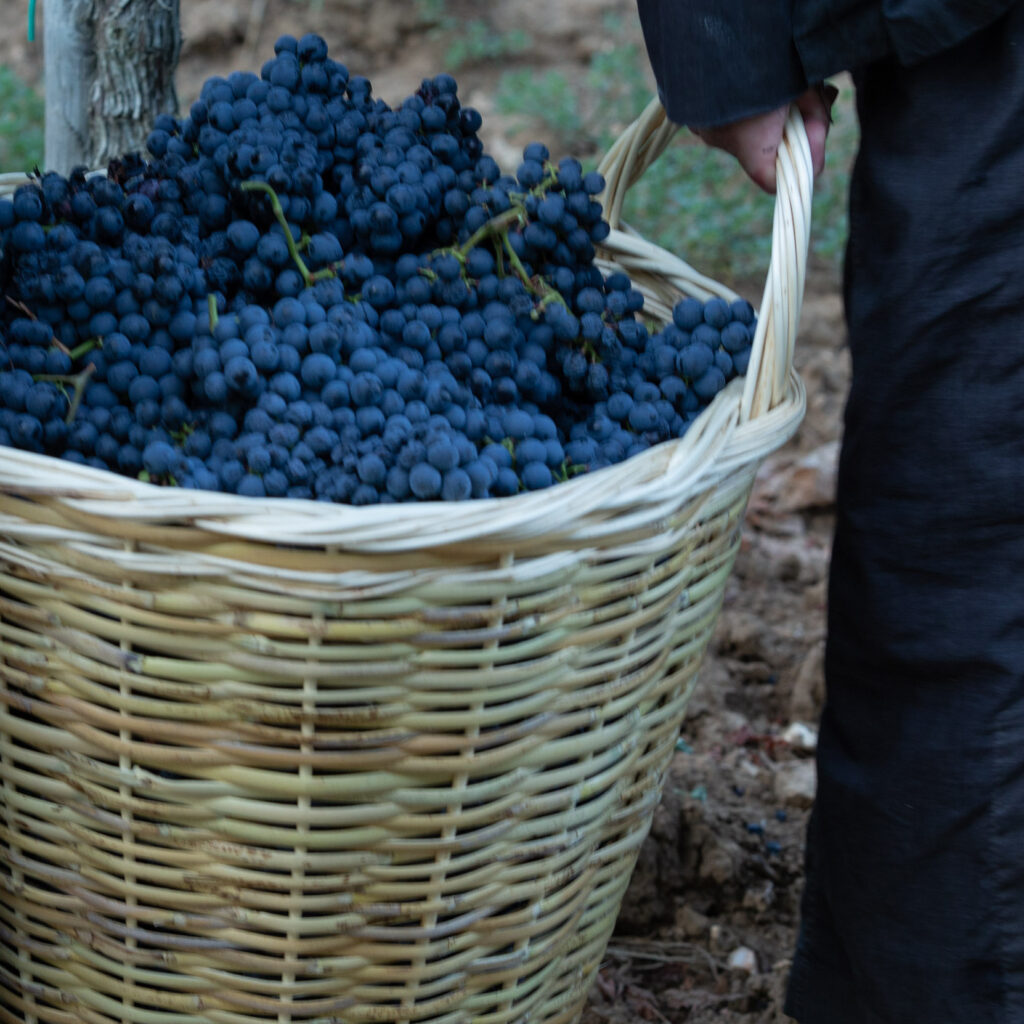
The PGI Mount Athos designation safeguards viticulture defined by traditional methods that remain unchanged for centuries:
━ ◦ Grapes cultivated exclusively on monastic land. ◦━
━ ◦ Manual labor in vineyards and harvesting — no mechanization. ◦━
━ ◦ No artificial irrigation; farming is dry and rain-fed. ◦━
━ ◦ Organic fertilization based on compost and natural cycles. ◦━
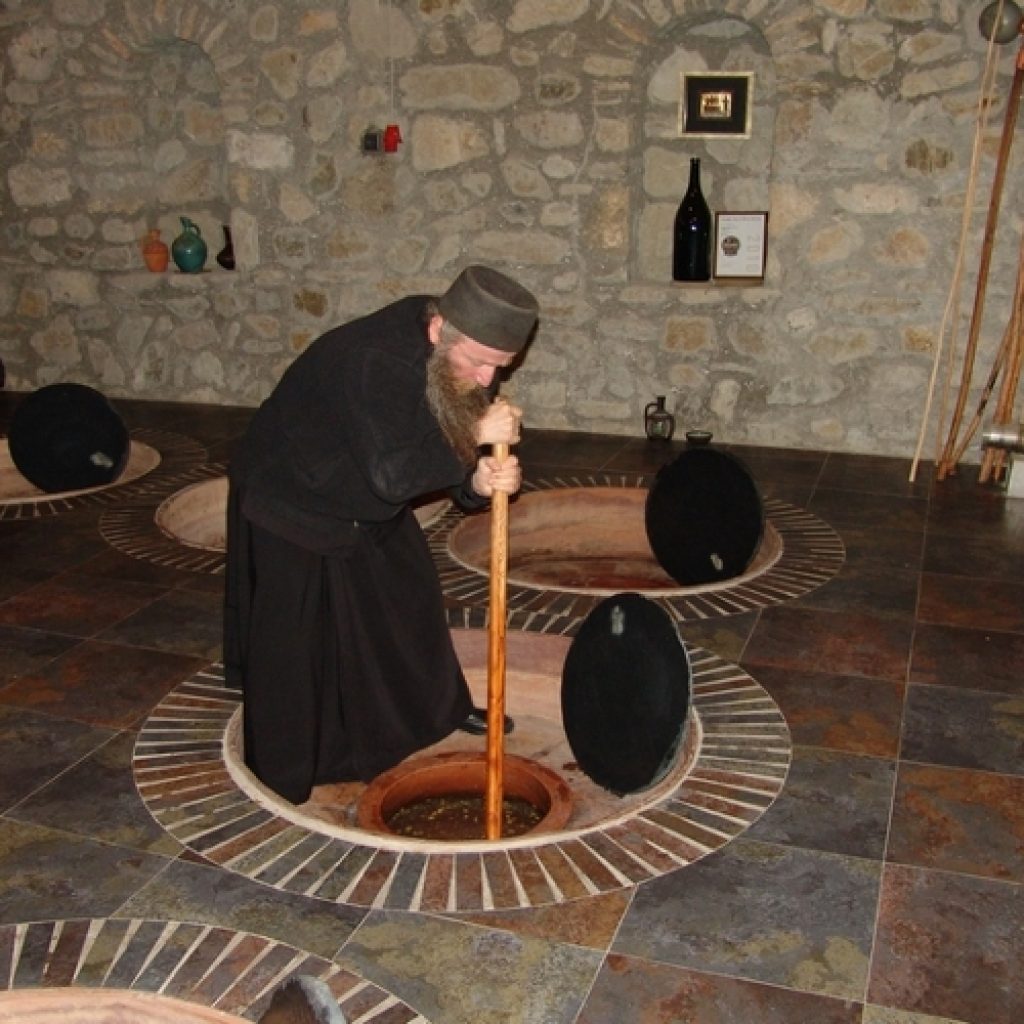
━ ◦ Vinification and aging carried out within the monasteries’ boundaries ◦━
PGITool for Cultural Preservation
In Mount Athos, PGI is more than a label: it is a safeguard of intangible heritage. It ensures the continuation of:
∘₊ Oral traditions and spiritual values, where cultivation follows both natural rhythms and the liturgical calendar.
∘₊ Territorial coherence, where agriculture is fully integrated with ecology and monastic life.
∘₊ Spiritual ecology, where the vine is part of a greater cosmology of humility, devotion, and balance
A Living Example of Sustainable Regional Identity
Viticulture on Mount Athos has never been about commercial scale. Instead, wine serves in liturgy, in communal meals, and as an offering of hospitality. PGI recognition highlights this non-market model of agriculture, proving that sustainability, tradition, and cultural value can define regional identity just as strongly as economics
Educational and research institutions often reference Mount Athos as:
A case study
in resilience, where ancient practices thrive in modern times.
A repository
of traditional ecological knowledge, preserved without technological dependence.
A model
of non-market viticulture, rooted in moderation and stewardship
Key Facts about PGI Mount Athos
➽ Location: Easternmost peninsula of Halkidiki, including the monastic territory and the Ouranoupoli area.
➽ Altitude of vineyards: 200–300 meters above sea level.
➽ Soil composition: Sandy loam and sandy clay with granite subsoil.
➽ Annual production: Estimated 80–100 tons of wine.
➽ Historic regulation: First Typikon of 972 AD included rules on wine commerce within the monastic state.
➽ Traditional style: Includes fortified sweet wines from sun-dried grapes, reserved for religious celebrations.
Shopping Basket
English (UK)
English (UK)
Français
Ελληνικά
English (UK)
English (UK)
Français
Ελληνικά
LIFE & TRADITION
Lorem ipsum dolor sit amet, consectetur adipiscing elit. Ut elit tellus
Monastic Life
History
Typikon
LAND & TERROIR
Lorem ipsum dolor sit amet, consectetur adipiscing elit. Ut elit tellus
Terroir-zones
Soils & Microclimates
Nature & Sustainability
Natura & Biodiversity
VINEYARDS & WINEMAKING
Lorem ipsum dolor sit amet, consectetur adipiscing elit. Ut elit tellus
Grapes
Viticulture
Winemaking
Glossary
PGI & IDENTITY
Lorem ipsum dolor sit amet, consectetur adipiscing elit. Ut elit tellus