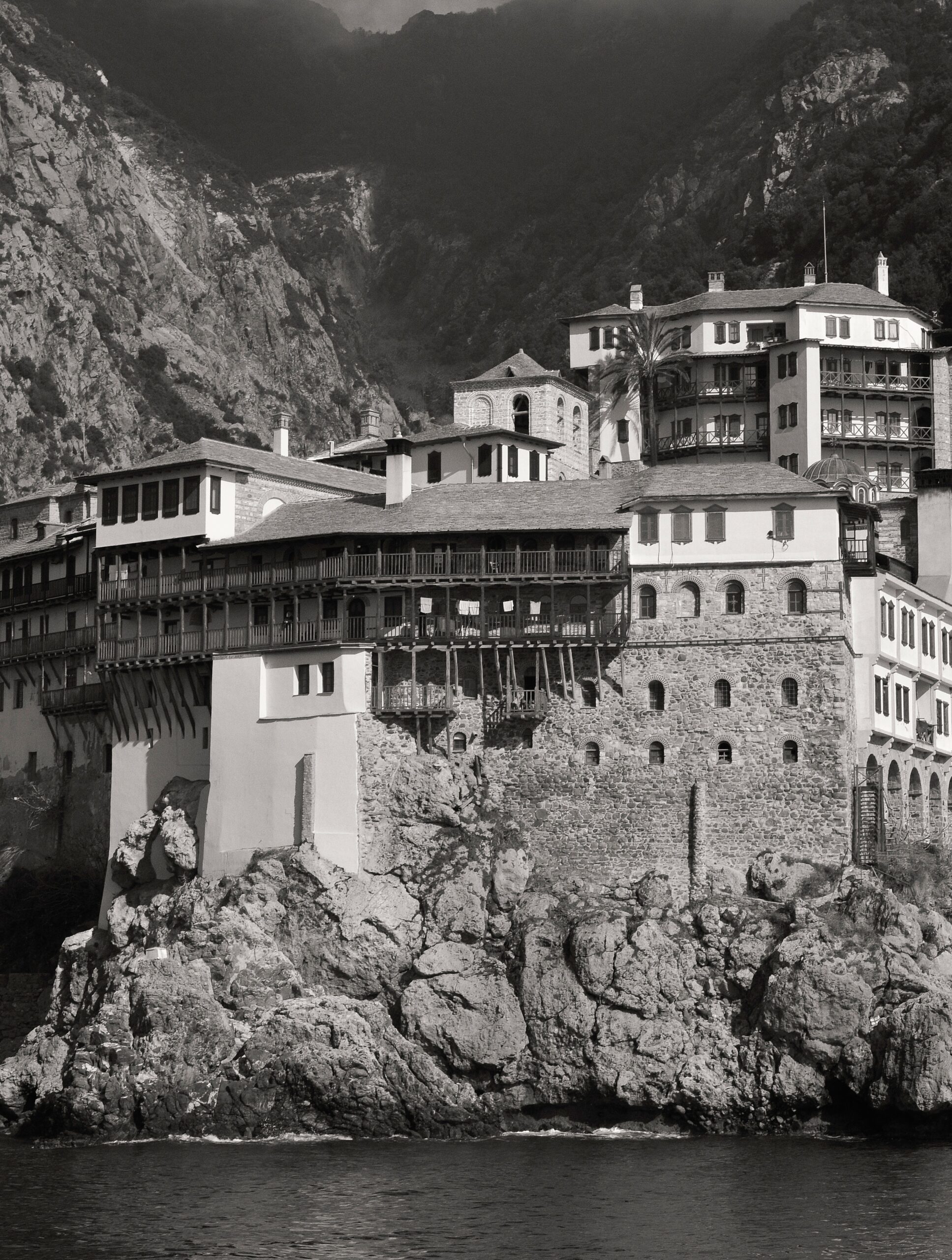
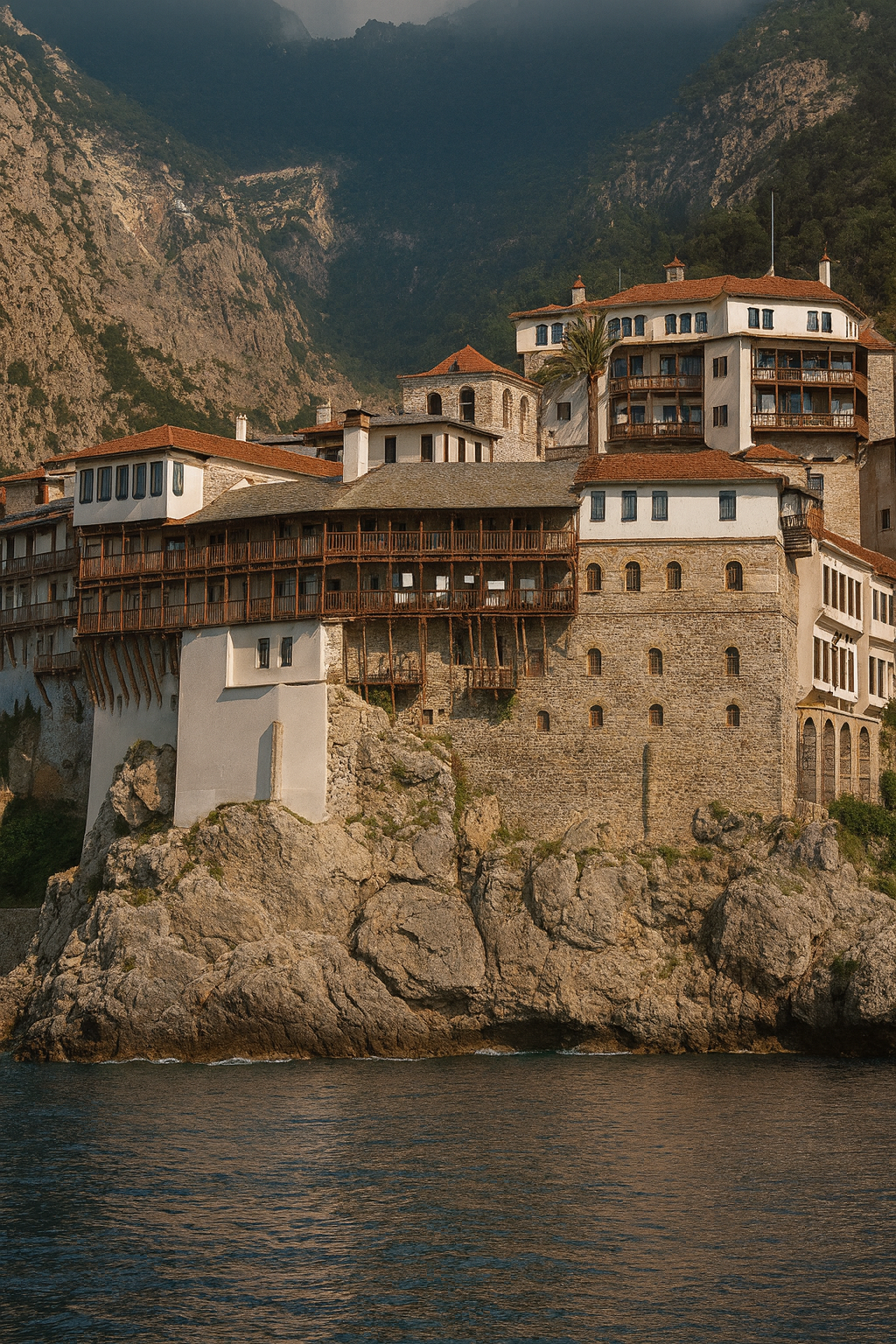
Wine production in monastic settings is not driven by markets or branding. It serves ritual, medicinal, and communal needs — produced in modest quantities, often for internal use. patience, and respect for creation
The act of cultivation and fermentation is deeply spiritual, reflecting a philosophy of humility,
RitualMOUNT ATHOS
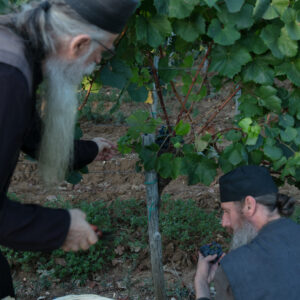
These practices continue to this day, passed down from one generation of monks to the next as a living form of intangible heritage. The cultivation of the vine is inseparable from the rhythm of monastic life. Agricultural tasks follow the liturgical calendar, reinforcing the link between natural cycles and religious observance. Each stage of work is approached as devotion, carried out with care and prayer.
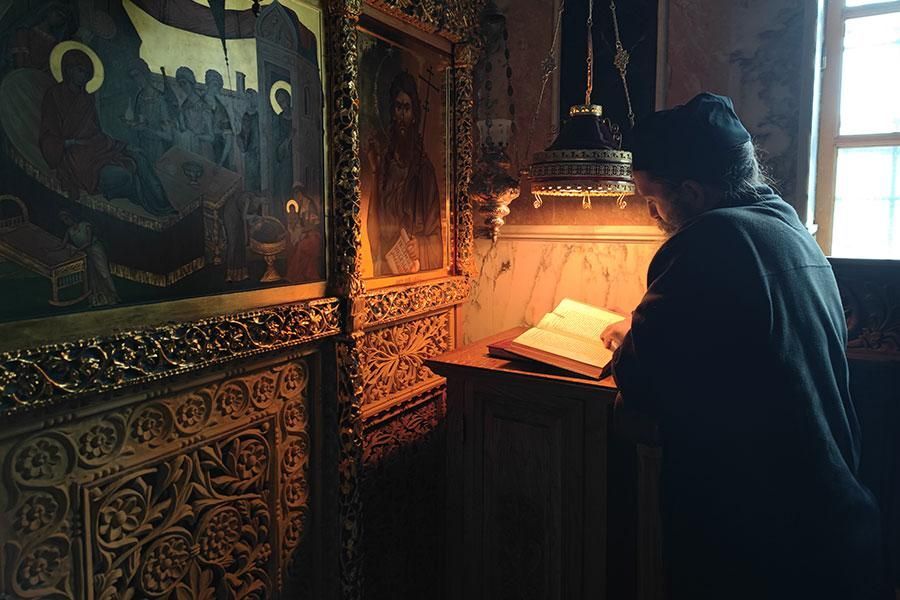
Life in Mount Athos follows the cenobitic system, where community is at the center and work is shared. Prayer structures the day, but every act — whether in the vineyard, the fields, or the workshops — is seen as an extension of prayer.
The vineyard is treated not as an economic resource but as part of the sacred landscape. Caring for the vines is a spiritual act, a way of participating in the cycle of creation. The monks often say that labor is prayer in action, and in this way, viticulture becomes a form of silent worship.
A LIFE OF PRAYERAND WORK
SPIRITUAL ECOLOGY
Tradition holds that the Virgin Mary blessed Mount Athos as her inheritance, which is why it is often called the “Garden of the Virgin Mary.” This belief shapes the monks’ relationship with the land. Farming is carried out without mechanization or chemical inputs, and biodiversity is carefully protected. Native herbs, wildflowers, and trees coexist with vineyards, creating a self-regulating ecosystem.
In this sense, viticulture on Mount Athos is also a form of ecological stewardship — sustainable, respectful, and aligned with spiritual values.
Continuity of Tradition
Wine has always played a central role in Athonite life. It is essential to liturgy, present at communal meals, and historically valued for its healing properties. Early monastic charters (Typika) already regulated wine’s use and trade, forbidding excessive commerce while protecting its symbolic and spiritual role.
Despite centuries of hardship — from pirate raids to heavy taxation and the devastation of vine diseases — the winemaking tradition was never abandoned. Every generation of monks has carried it forward, preserving both faith and craft.
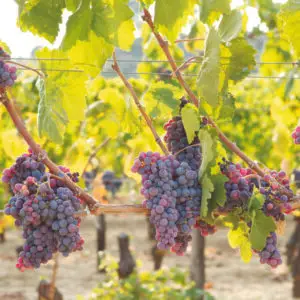
Today, viticulture remains part of daily life in the monasteries. Vineyards are small, scattered, and cultivated entirely by hand. Wine is shared within the community and occasionally offered to visitors as an act of hospitality.
Above all, wine on Mount Athos is more than nourishment. It is a symbol of continuity, humility, and harmony between human labor and divine creation — a living testimony of the monastic way of life.
Shopping Basket
English (UK)
English (UK)
Français
Ελληνικά
English (UK)
English (UK)
Français
Ελληνικά
LIFE & TRADITION
Lorem ipsum dolor sit amet, consectetur adipiscing elit. Ut elit tellus
Monastic Life
History
Typikon
LAND & TERROIR
Lorem ipsum dolor sit amet, consectetur adipiscing elit. Ut elit tellus
Terroir-zones
Soils & Microclimates
Nature & Sustainability
Natura & Biodiversity
VINEYARDS & WINEMAKING
Lorem ipsum dolor sit amet, consectetur adipiscing elit. Ut elit tellus
Grapes
Viticulture
Winemaking
Glossary
PGI & IDENTITY
Lorem ipsum dolor sit amet, consectetur adipiscing elit. Ut elit tellus